In 2019, we pledged to accelerate the pace of leakage reduction on the network, achieving the same reduction between 2020 and 2030 as was achieved in the previous three decades (1990 – 2020). We’re committed to this ambitious industry-wide target.
Reducing leakage is a key priority to ensure our networks are resilient and future-facing. Climate change and population growth are placing extra pressure on water resources. We need to use water wisely to ensure there’s enough to go around, and to protect the natural environment.
Finding and fixing leaks is one part of this, along with creation of extra storage and encouraging people to be mindful about how much water they use at home.
Why do leaks happen?
There are thousands of miles of water pipes in the network and many reasons why leaks occur on them. These include:
- Pipe corrosion or deterioration
- Extreme heat and cold making pipes expand and contract, leading to cracks or weak joints
- Ground movement putting pressure on pipes
- High pressure within pipes or surges in pressure causing leakage over time
- Third party damage, for example during building works
Some of these factors are beyond our control – we can’t control the weather! Where a factor is within our control, we work hard to manage risk. For example, we know pressure surges can cause leaks so we’re careful to keep pressure stable, especially during tricky procedures such as refilling part of the network.
Big leaks versus small leaks
If a water main bursts completely, this is hard to miss as large quantities of water are released from the pipe. Smaller leaks are much more difficult to spot, especially if they occur on the more rural stretches of the network. Managing water pressure helps to minimise the volume of water lost to these smaller leaks.
We have a rolling programme of leakage reduction to help find and fix leaks. We use everything from specially-trained dogs to satellites as well as a range of acoustic technologies to detect leaks on the network. Our teams are active throughout the year to spot leaks and repair them to prevent water from being wasted.
How you can help
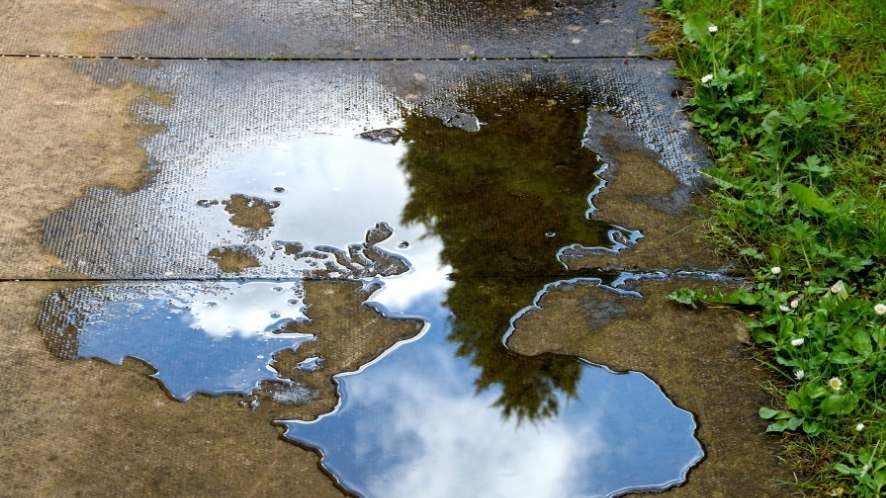
You can help us detect leaks by letting us know if you think you’ve spotted one. You might spot water running from the ground, a waterlogged area that can’t be explained by rain, or a patch of grass that stays greener than the surrounding area.
We’re responsible for leaks on our part of the network, but property owners are responsible for leaks within the home or on your supply pipe (this usually connects to our part of the network at the boundary of your property) and around 30% of water loss in the region comes from customer pipework. If you have a leak, we offer support to get it fixed – read our leakage page for more information.


-1.png?width=500&height=500&name=Untitled%20design%20(96)-1.png)