It was a relief when rain finally fell after many weeks or even months without a drop. But how long does it take for water reserves to recover?
The answer is more complex than you might think. Drinking water is part of the water cycle that involves land and soil and vegetation as well as reservoirs, treatment works and pipes.
The first few rain showers after a long dry period are unlikely to make any real difference to groundwater and rivers, because much of the moisture is absorbed by dry soil.
Rain after drought
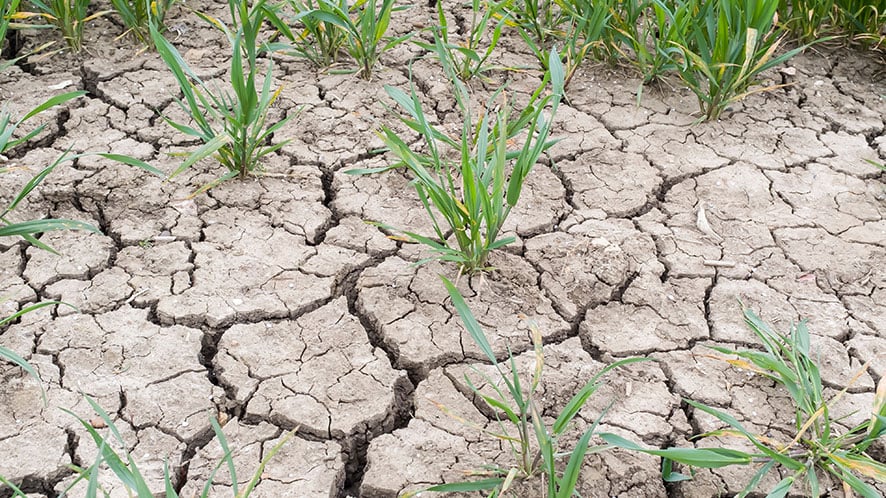
After drought, the best way for the ground to recover is with steady, persistent rain that gives soil time to absorb the moisture. Very heavy rain can result in flash flooding, especially when soil is dry. A chemical change during drought makes soil particles waxy and hydrophobic, so they repel water rather than absorbing it.
Heavy rain rushes off the soil and adds a lot of flow to rivers and streams in a short period of time, which causes levels to rise but then quickly return to a low level again once the sudden flow of water has finished. A steady rain helps to boost river flows in a more gradual way that enables their recovery.
The soil moisture deficit
Scientists refer to the soil moisture deficit (SMD) as a measure of how much water has been lost from soil. High SMD means soil is very dry, whereas zero SMD means it's saturated with water.
If soil has a high SMD, much of the rain that falls will be absorbed by the earth to replace lost water. It's only when the soil is wet enough that the water can really begin to make a difference to drinking water resources.
That’s when rainfall flows into streams and rivers, adding to flows which have been low during the drought. Or it might sink into the underlying rock, recharging the aquifers below.
Other factors that impact soil moisture
There are lots of other factors that influence how soil responds to drought and rain. For example, vegetation can remove moisture from soil, but it also shades soil and reduces evaporation. Land absorbs water differently depending on whether it has ploughed fields, a forest or a housing estate on it.
Soil types and underlying rock structures have a role in determining how soil retains moisture. Weather patterns and humidity are also important.
Reservoirs are often filled from rivers
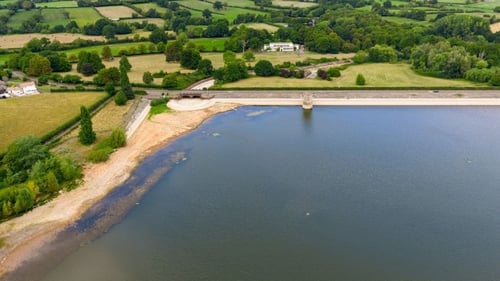
Many people imagine that reservoirs work like enormous buckets, trapping rainfall in a basin. To some extent, this is true, but most of the water in reservoirs actually comes from rivers either through those that naturally run into the reservoir, or through pumping water from rivers into reservoirs when there’s lots of water available in the winter. We use reservoirs like a cupboard, storing away water when flows are high so it can be used when there's less water available.
This is why SMD matters so much for reservoirs: wetting the soil boosts river flows, and the amount of water flowing into the reservoirs. When flows are high, we can also take more water from rivers instead of reservoirs, increasing the rate at which the reservoirs refill.
How SMD impacts our pipes
Dry soils don't only impact the water that's available to us; they can also lead to more burst pipes. When the ground loses moisture in a drought, it contracts and hardens. Then when the moisture is replaced by rain, the ground swells again.
This contraction and expansion can put pressure on pipes in the ground, causing splits, leaks and even burst mains. Frustratingly, it's often just when we need to save water the most that we have more leaks to fix. Our leakage teams work really hard to limit the water lost to these leaks.
A year-round view of water resources
We have to plan our water resources to maintain supply throughout the year, which is even more important now that climate change is bringing hotter, drier summers. This summer we've seen very low rainfall and high demand for water due to repeated heatwaves. The extra water that's been used could be replaced by winter rainfall, but there's no guarantee how much rain we will get.
We're investing to reduce leaks and develop more storage in the system, but managing demand for water is another important part of the picture.
To help protect water resources, we need to use water wisely all year round. This helps to maintain water supplies during future droughts. See our water-saving pages for ideas about how to use less water.