On 27 August, we introduced a hosepipe ban for all Bristol Water customers. We only ever introduce a ban if absolutely necessary, and we'll lift it as soon as we can.
Here are some answers to commonly asked questions about the hosepipe ban.
1. Why is a ban needed?
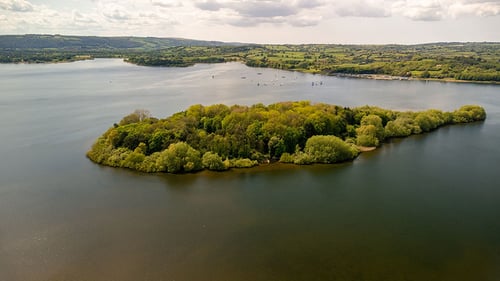
In dry periods like the one we’ve experienced recently, just over half of the drinking water we supply comes from the Gloucester and Sharpness Canal, which in turn is fed by the River Severn.
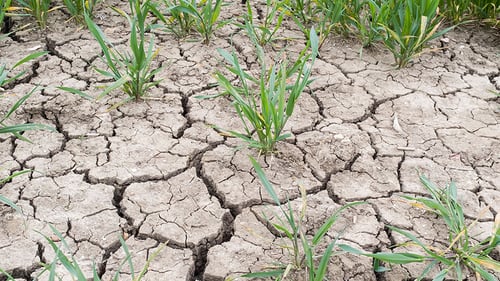
The drought conditions have resulted in a significant impact on the River Severn, leading to the Environment Agency and Natural Resources Wales applying for a drought order to protect it.
In the hottest summer on record, demand for water has gone up but we’ve had well below average rainfall replacing what’s been used. We monitor water resources very carefully and work with regulators every step of the way.
We have a responsibility to protect the natural environment, and to make sure we always have enough water to meet people's essential needs like drinking, washing and cooking. A hosepipe ban helps to reduce demand for water, so there's more in reservoirs and rivers for wildlife and essential use.
2. What am I not allowed to do during a ban?
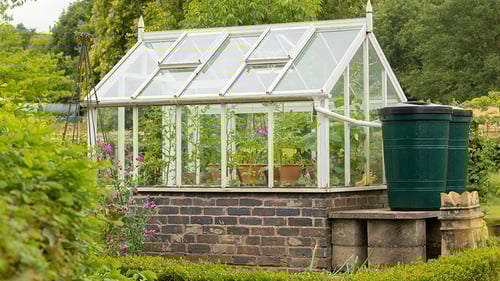
A temporary usage ban means you can't use a hosepipe for non-essential purposes such as washing a car, filling pools and paddling pools or watering your garden.
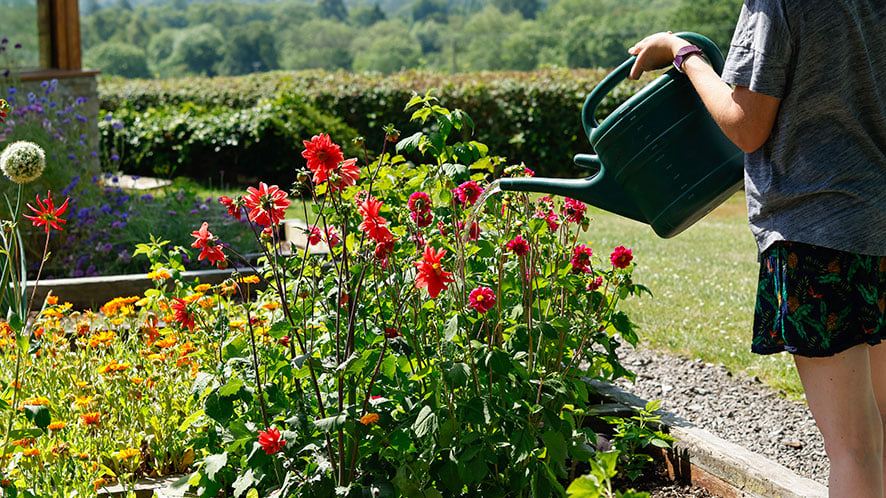
Most activities can still be carried out without a hosepipe – for example, washing a car with bucket and sponge or watering your garden using a can. It just means people will use water more efficiently doing these things.
A hosepipe can use up to 1,000 litres of water an hour. For contrast, the average UK household uses 323 litres per day. So, avoiding hosepipes can make a substantial difference to water consumption.
3. Will my water bill be lower due to the ban?
The ban won’t automatically reduce water bills, but if you're on a water meter then your bill may be lower if you use less water.
It's worth noting that as a water company, we don't profit from the hosepipe ban. We receive less revenue from customer bills when customers use less water (around 70% of our customers have a water meter).
4. What are you doing to manage supplies?
We work really hard to keep the taps flowing, especially when the network is under stress. Firstly, we are out finding and fixing leaks. In drought, the ground shrinks and makes leaks and burst mains more likely, so we step up our efforts to repair these leaks.
We also plan and manage the water network carefully to optimise flow and reduce strain on resource. We move water around the network so supply comes from resources that are under the least strain, for example by switching from one reservoir to another.
We may adjust water pressure in parts of the network to ensure we can meet demand, making a barely noticeable difference to water pressure but saving huge volumes of water.
In the most challenging situations, we may use tankers to transfer water from one part of the network to another, topping up supply reservoirs near customer homes.
All this work goes on 24/7, throughout the summer. For example, if water is being supplied from further away, we may amend treatment processes to ensure the highest water quality. If we need to repair a burst main, this puts increased pressure on other parts of the network which may lead to further bursts, so we work very carefully to manage this risk.
5. Does the ban apply to everyone?
There are some exceptions to hosepipe bans. These are not exceptions that we have chosen; they're set out by laws and regulations that all water companies have to follow.
Firstly, the ban generally does not apply to businesses. This helps to protect people's livelihoods, where otherwise a hosepipe ban could lead to reduced income.
There are also exceptions for customers who are on our Priority Services Register, WaterSure Plus tariff or who are Blue Badge holders and unable to make reasonable adjustments due to a health condition or disability.
There are also exceptions that cover the need to protect human health and safety or needing water for animal welfare, including pets, livestock and fish.
Customers sometimes question whether these exceptions are fair. We encourage all customers to use water wisely, even if they are exempt from the ban. We're not allowed by law to choose our own rules for a ban, and even if we could, it wouldn’t be feasible to decide who should be exempt on a case-by-case basis.
6. What happens if I don’t follow the rules?
A hosepipe ban carries legal force and ultimately, we can take enforcement action if people ignore the rules, which could result in a fine of up to £1,000. However, we want to avoid this wherever possible.
If you see someone breaking the rules, it's possible that they may fall under one of the exceptions that means they are allowed to use a hosepipe. Before reporting someone to us for breaking the rules, you might want to check the list of exceptions.
See our hosepipe ban pages for updates, further information and details of exceptions to the ban.