Bristol Water has achieved its lowest ever leakage levels, reducing the amount of water lost from its network by 7.4% over the last year as teams continue to find and repair leaks across the region.
With the South West experiencing five heatwaves this summer, and hot, dry weather placing additional pressure on water resources, finding and fixing leaks is more important than ever before.
Prolonged dry weather can place additional stress on underground pipes, increasing the likelihood of leaks and bursts. That's why Bristol Water continues to invest in its leakage programme, helping teams identify and repair leaks more quickly across the region.
Over the last year, Bristol Water has:
-
Reduced leakage to its lowest ever level, down 2.7 million litres a day compared to last year
-
Increased the number of repair teams tackling leaks by 55%
-
Increased the number of leaks repaired from 1,800 to more than 2,500 between April and July 2026, compared with the same period in 2025.
-
Expanded leak detection activity across the region, including weekend and overnight working
-
Increased the use of satellite and digital leak detection technology
-
Continued investing in pressure management and network improvements
Finding hidden leaks
Many leaks are hidden underground and aren't visible from the surface, making them difficult to find without specialist equipment.
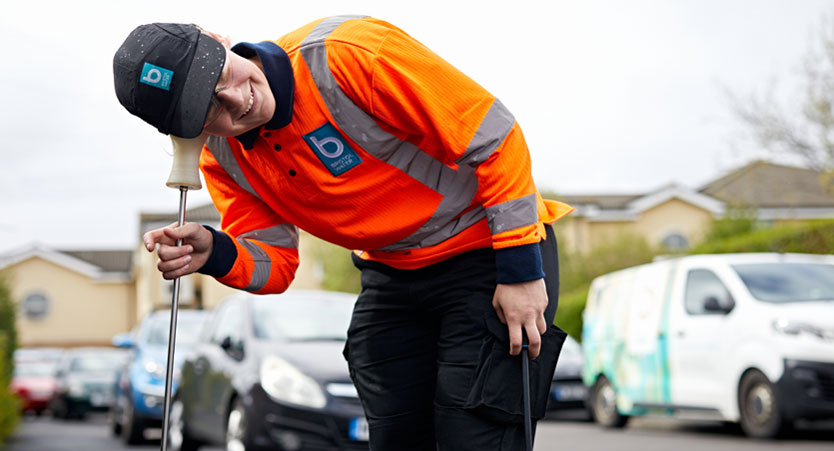
Bristol Water's leakage teams use a range of tools and technology, including acoustic monitoring, digital detection systems and satellite technology, to identify hidden leaks and target repairs more effectively.
Once identified, leaks are assessed based on factors including the amount of water being lost, the potential impact on customers and any risks to infrastructure.This helps teams to prioritise repairs and respond quickly to address the leaks which could have the biggest impact on water loss.
Responding to a challenging summer
While leakage has continued to fall overall, prolonged periods of hot and dry weather have created additional challenges across the network.
During July, Bristol Water saw a significant increase in leaks and burst mains as prolonged hot, dry weather placed additional pressure on underground pipes. The number of burst mains more than doubled, rising from 58 in June to 136 in July, a 109% increase, creating additional challenges for the network.
In response, the company increased leak detection and repair activity to help identify and resolve issues as quickly as possible at a time when saving water was vital.
Investing in the future
Finding and fixing leaks is just part of the solution.
Bristol Water is continuing to invest in its network, technology and people to help reduce water loss and improve resilience for the future.
Alongside increased leak detection and repair activity, the company is upgrading and replacing sections of its network, helping reduce future leakage and strengthen water supplies across the region.
Bristol Water has already achieved the water industry's Public Interest Commitment target to triple the rate of leakage reduction by 2030 and is continuing to drive further reductions.
Around 30% of leakage is estimated to occur on customer-owned pipework and internal plumbing. Bristol Water provides advice and support to help customers identify leaks on their own properties and reduce unnecessary water loss.
For example up to 400 litres of water can be wasted each day from a leaking toilet.
For more information on how to check your loos for possible leaks, visit www.bristolwater.co.uk/every-drip-every-drop/every-drop/leaky-loo.
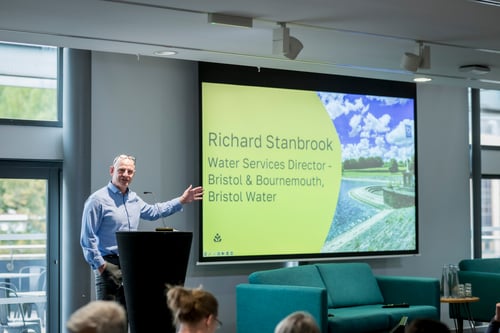
Richard Stanbrook, Director of Water Services at Bristol Water, said: "Reducing leakage is one of our biggest priorities and we're proud to have achieved our lowest ever leakage levels."
"This summer's hot and dry weather has created additional challenges across the network, increasing the number of leaks and bursts we have seen in some areas. In response, we've added more repair teams, expanded leak detection activity and continued investing in technology to help us find and fix leaks faster."
"Our teams are working around the clock to reduce water loss, support customers and build a more resilient network for the future."